
Belmont University
Nashville, TN
Nashville, TN
Explore your future–Belmont University
Set in the heart of Nashville, Tennessee, Belmont University invites students to pursue bold goals within a supportive community. With about 9,000 students, Belmont offers the personal attention of a mid-sized, Christian institution alongside expansive opportunities, including more than 180 academic majors and 230 student organizations designed to help you discover your purpose and thrive.
A leader in health care
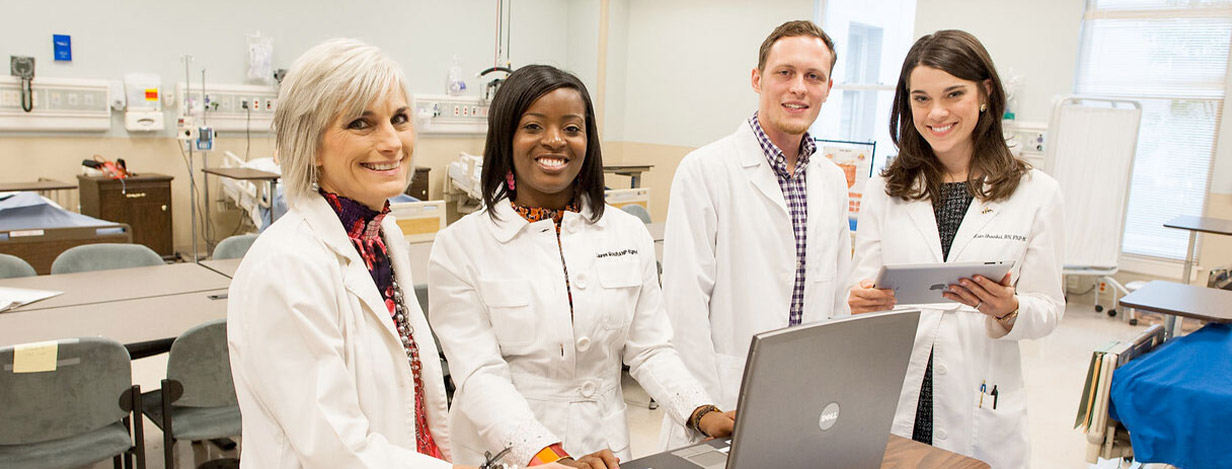
Located in the health care capital of Nashville, Tennessee, aspiring health care professionals come to Belmont University for an exceptional education you won't find anywhere else. Students learn from accomplished professors who bring real-life experience to the classroom and share their passion and expertise with each member of Belmont's Christ-centered community of learning and service.
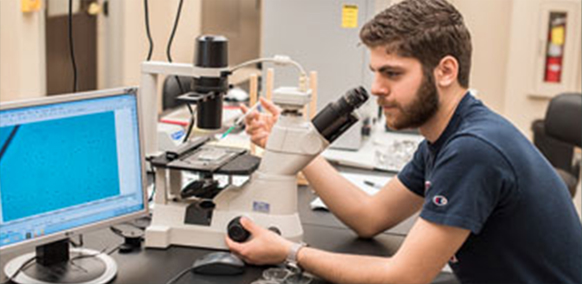
Belmont’s Health Sciences & Pharmacy programs offer exceptional, team-based learning opportunities on campus and in clinical and practice sites around the world with colleagues in nursing, occupational therapy, pharmacy, physical therapy, public health, sport science, social work, theology, health care business, and law. Students benefit from working in state-of-the-art facilities including a nursing Simulation Center, on-campus pharmacy, drug information center, and numerous research laboratories.
The University is fortunate to be in the heart of Nashville, a known health care hub, and home to more than 300 health care–related companies. Because of this, rich opportunities exist for students to get involved in some of the most innovative thinking that drives discovery—and practice-based health care experiences. Students at Belmont also have opportunities to participate in health care–and pharmacy-related study abroad and mission trips around the world.
Come experience our community by scheduling a campus visit at belmont.edu/visit. Find out for yourself how life at Belmont can shape your future.
 |
Named a Best Value School | U.S. News & World Report, 2026 |
|
Ranked #33 Nationally in First-Year Experience | U.S. News & World Report, 2026 |
|
Ranked #39 Nationally in Undergraduate Teaching Programs | U.S. News & World Report, 2026 |
|
Named as one of the Most Innovative Schools in the Nation | U.S. News & World Report, 2026 |
 |
Name as one of the Best Schools in the South | Princeton Review, 2026 |
 |
Ranked 15th in the nation for Undergraduate Participation in Study Abroad | Institute of International Education, 2024 |
POINTS OF PRIDE
• First-time NAPLEX pass rate for Belmont’s College of Pharmacy is consistently in the 90th percentile.
• Belmont’s College of Health Sciences & Nursing has had a 100% first-time national FNP certification exam pass rate for over a decade.
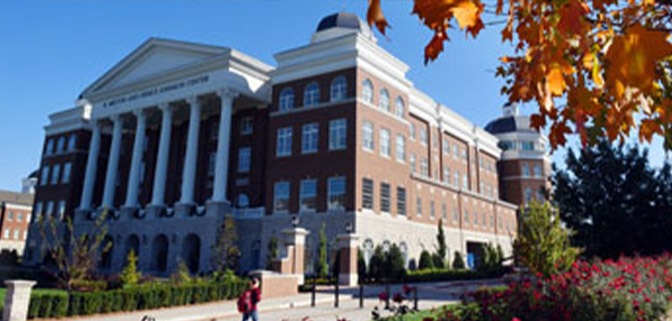
GORDON E. INMAN COLLEGE OF HEALTH SCIENCES & NURSING
The Gordon E. Inman College of Health Sciences & Nursing offers a comprehensive education to students in a Christian environment, preparing them to become practitioners in health and social welfare fields.
• Undergraduate School of Nursing
• Graduate School of Nursing
• School of Occupational Therapy
• School of Physical Therapy
• Department of Exercise Science
• Department of Public Health
• Department of Social Work
COLLEGE OF PHARMACY
Belmont University’s College of Pharmacy is becoming a nationally recognized center for practice and leadership in pharmacy education with an innovative clinical doctorate. Building on the traditional Doctor of Pharmacy (PharmD) curriculum, the College offers students the opportunity to specialize in one of five areas: pharmacy management, health care informatics, missions, pharmacotherapy, or interdisciplinary care delivery. These programs educate students for life-long professional improvement and service as competent and compassionate practitioners.






“It has been a true privilege to learn from faculty that really care about you and your success.”
“I would not be in medical school if it wasn’t for Belmont faculty providing such great mentorship. I've really appreciated the topics that were covered in the more advanced science classes such as Cancer Biology, which I used throughout my first year of medical school.”