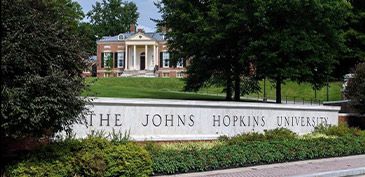
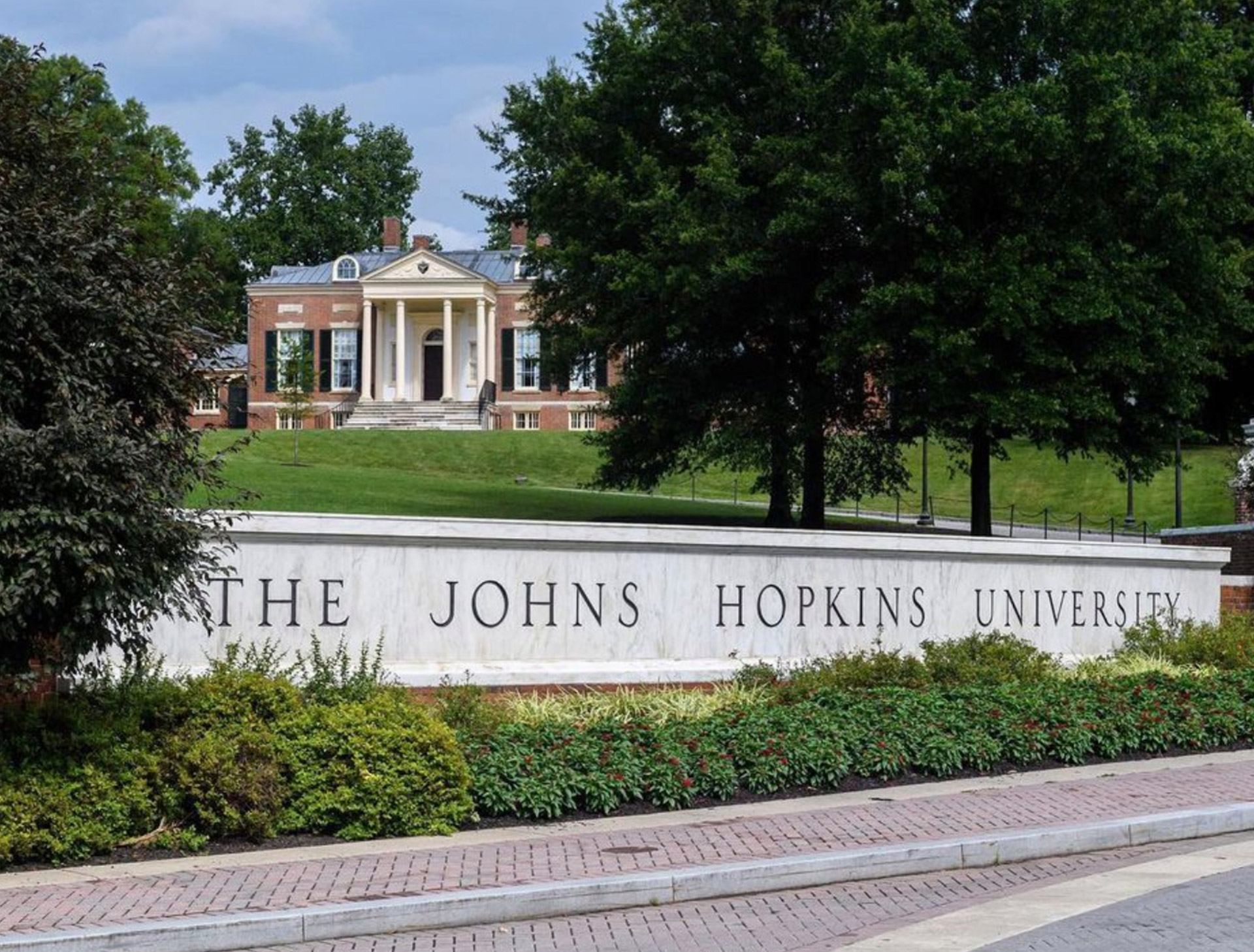
Johns Hopkins University
Baltimore, MD
Baltimore, MD
Together, we'll make history.
Known globally for its groundbreaking research, the University welcomes transfer students who are eager to dive into big questions and take control of their education from day one.
Flexibility in your academics
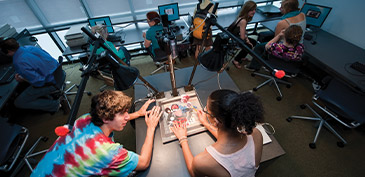
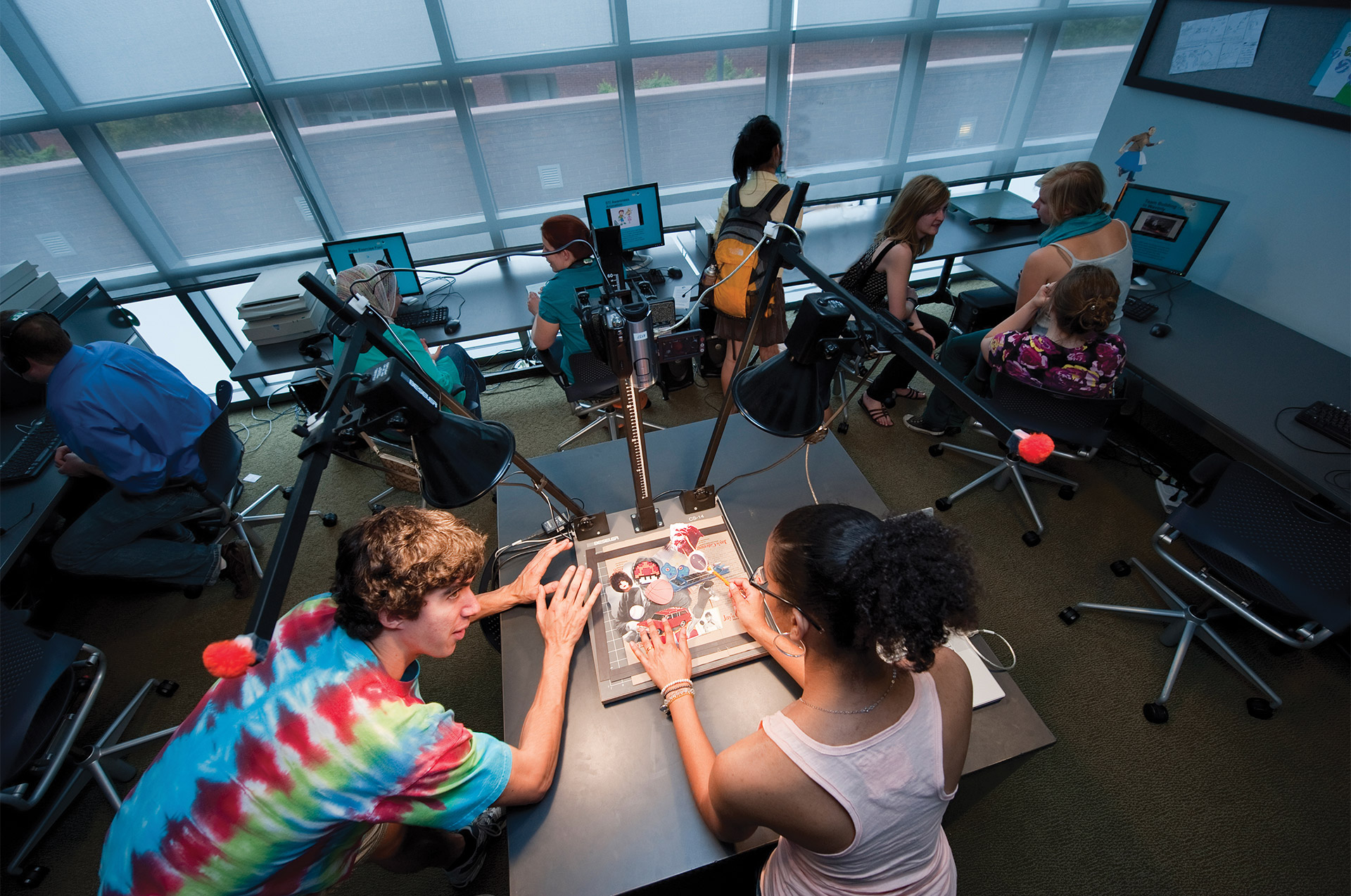
At the University, your transition is met with maximum flexibility. There are no strict prerequisite courses required to apply, giving you the freedom to build on the credits you have already earned. Once you arrive, you will experience an open curriculum that lets you skip rigid general education requirements. Instead, you can immediately dive into advanced research, small seminars, and hands-on projects alongside world-renowned faculty. Whether your passion lies in public health, engineering, or the humanities, you will find the tools to customize your path.
Vibrant community life on campus
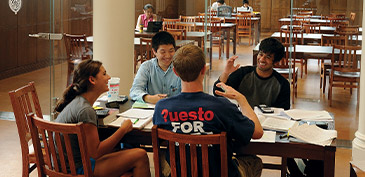
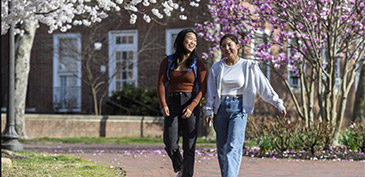
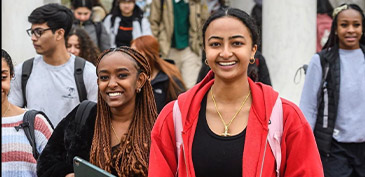
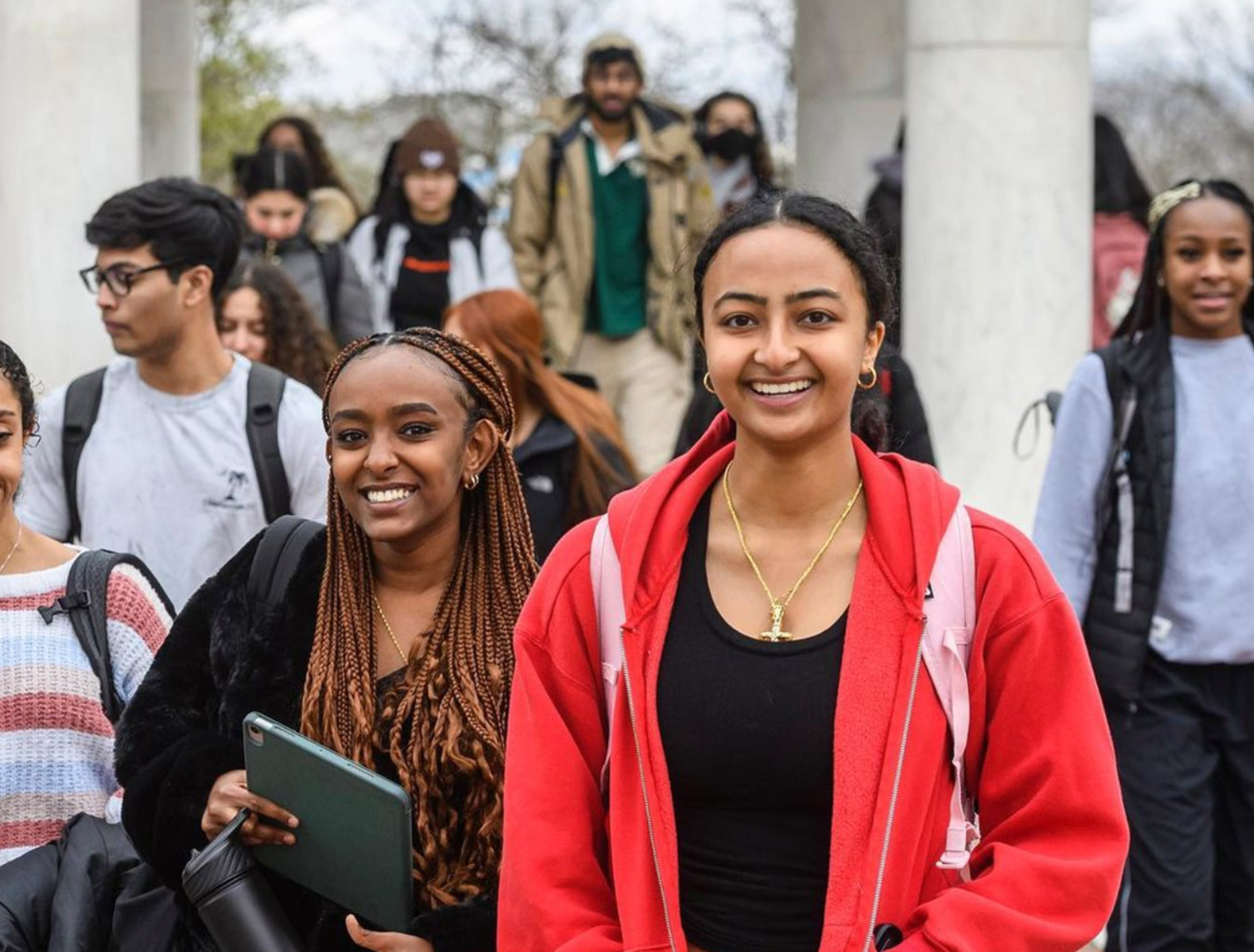
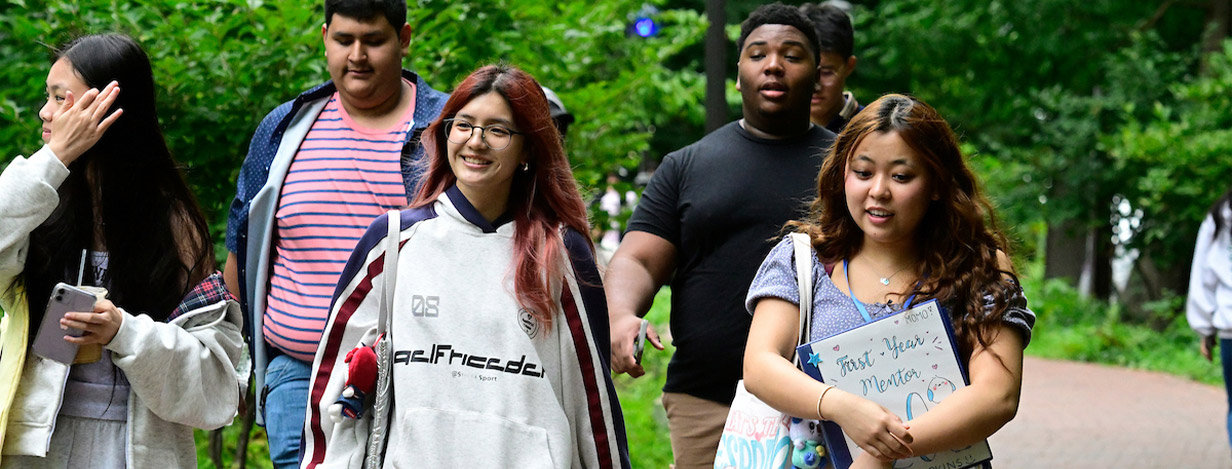
Joining a new campus halfway through college can feel intimidating, but the University ensures transfer students find their community right away. You will be paired with dedicated mentors and peer groups designed specifically to help you navigate your new home. Beyond the classroom, life in Baltimore is bursting with energy. You can join some of the hundreds of student-run clubs, participate in long-standing campus traditions, and explore the distinct, historic neighborhoods that make the city so vibrant.
 |
Johns Hopkins is known for strong research in environmental health and sustainability, with increasing campus sustainability efforts. |
|
#16 in the Times Higher Education World University Rankings for 2026 |
|
|
#1 Best Schools for Financial Aid among Private Schools | Princeton Review |
|
|
#7 Best Colleges among National Universities | U.S. News & World Report, 2026 |
|
|
#12 Best Value | U.S. News & World Report, 2026 |
|
|
#10 Most Innovative | U.S. News & World Report, 2026 |
Johns Hopkins accepts transfer students into their entering sophomore and junior classes for the fall semester only.
Applications are open to students who haven’t completed their bachelor’s degree or equivalent at another institution. If you’ve already earned a degree, you are encouraged to explore the graduate programs for more opportunities to pursue your interests.
Transfer applicants must have graduated high school and completed more than 12 semester-based credits at another institution. If you’ve graduated from high school and enrolled in college but don’t have more than 12 credits, or you’re enrolled in a dual enrollment or early college program, you should apply as a first-year student.