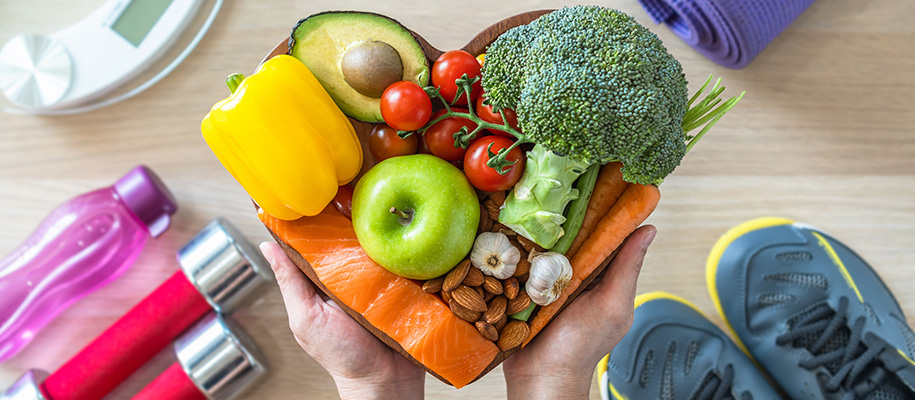
Eating the right foods at the right time is essential for maximum sports performance. It doesn't matter what sport you play, if you don't get the right fuel for your body it will be impossible for you to reach your maximum potential as an athlete. Athletes need a balanced, nutritious diet that includes all the food groups to be successful in his/her sport. Proper fueling and a lot of practice will get you scoring points to win and feel great doing it! As with all sports, there are rules to follow in order to get the right nutrients you need to succeed. Athletes especially must eat a varied diet, which equates to plenty of energy in the form of carbohydrates (grains, fruits, vegetables, and beans), essential proteins (lean meats, low-fat dairy or soy products), good fats (nuts, avocados, olive oil), vitamins and minerals (water). Let’s talk about the importance of eating a balanced, nutritious diet every day to provide adequate energy for growth, exercise, and maximum performance as well as the equally important timing of those meals before, during, and after exercise or competition.
Why are carbohydrates so important to athletes?
Carbohydrates in the form of sugars and starches are turned into glucose in the body, the only source of carbohydrates the muscles can directly use for fuel. Eating carbohydrates is also important for brain function, as glucose is the brain's source of fuel as well. As all athletes know, the mind is a critical aspect of optimum performance. A good athlete has to constantly make tough and quick decisions. The body uses blood glucose for energy, but most glucose is stored in the liver and muscles as glycogen. During exercise, this muscle glycogen is broken down to be used as energy. The muscle usually has enough glycogen to provide fuel for anywhere from 90–120 minutes. Because the majority of athletic events do not require 90–120 minutes of constant, hard activity, carbohydrate intake during exercise is not required, but can be useful to maintain glucose in the muscles and energy levels. As long as athletes are eating plenty of carbohydrates and a varied low-fat diet daily, carbohydrate loading is most likely not necessary.
Related: Career Spotlight: The Ultimate Guide to Unique Health and Medicine Careers
Is a diet high in protein important for athletes?
Athletes typically don’t need any extra protein than the average individual. Lifting weights and training builds muscles, not protein. Leftover protein, unlike carbohydrates, cannot be stored in the body; therefore, the excess will be burned for energy or stored as body fat. A balanced diet consisting of a few servings of lean meats/beans/egg whites (because the whites have 80% of an egg's protein and the yolks have all the saturated fat) and a few servings of low-fat dairy products daily will provide all the protein an athlete needs to build and maintain muscle mass.
Last, but certainly not least, proper hydration is imperative in successful athletic performance. A dehydrated athlete can be the difference between a win and a loss. Perspiration and exertion deplete the body of essential fluids, so rehydration is crucial. Proper hydration means at least eight glasses of water per day and drinking a half cup of cool water every 15–20 minutes of exercise. If it helps to get the fluids in, you can add a little flavoring such as a teaspoon of sugar, a small amount of fruit juice, or some powdered drink mix to your water. Drinking sports drinks and taking in carbohydrates during exercise are only necessary in hard, continuous events lasting more than 90 minutes.
What should you eat before exercising?
Exercising on a full stomach can leave you with an upset stomach, nausea, and cramping. To make sure you have enough energy to fuel you through your exercise but avoid stomach discomfort, you should allow your body to fully digest the meal before the start of the event. Typically, this means eating anywhere from one to four hours before the start of the event for most athletes, depending on what and how much you’ve eaten. Everyone is different though so experiment a little with the timing before the “big event."
Suggested pre-event foods
So what do you eat? A pre-event meal should include foods high in carbohydrates that are easy to digest, such as fruit, pasta, breads, energy bars (not “protein” bars), and drinks. These foods will provide your muscles with plenty of stored energy (glycogen) to get you through a long, tough workout or game. Planning will be crucial. You should consider the time of your event, the size of your meal, and the energy that will be required during your event. Fluid intake should also be paid attention to. Drinking plenty of water throughout the day, every day will ensure that you are always properly hydrated when it comes to game time.
Three to four hours before the event, try eating:
- Fresh fruit such as apples, peaches, oranges, or bananas
- Fruit or vegetable juice such as orange, tomato, or V-8
- Bread or a bagel
- Pasta with red sauce (avoid creamy sauces)
- Baked potato
- Cup of cereal with 1% or skim milk or soymilk
- Energy bar
- Low-fat or non-fat yogurt
- Bread or toast with a small amount of peanut butter, lean meat, or low-fat cottage cheese
- 20 oz. sports drink
Two to three hours before the event:
- Fresh fruit
- Fruit or vegetable juice
- Bread or a bagel
- Low-fat or non-fat yogurt
- 16 oz. sports drink
Less than an hour before the event:
- Fresh fruit
- Fruit or vegetable juice
- 8–10 oz. sports drink
- Energy gels
What foods should you avoid before an event?
A good rule of thumb is to keep pre-event meals low in fat. Fat is much more difficult to digest and takes much longer for your body to digest. Fast food, hot dogs, nachos, doughnuts, candy bars, and potato chips are all very high in fat and will “stay with you” and slow you down during competition. Not to mention, these foods have very little nutritional value.
Related: The Best Study Snacks for Healthy Eating in College
Every athlete is different, so always experiment with your foods and meal planning before training, exercise, and competition days. What works for a teammate may not work for you, so while discussing meal planning with a friend can be helpful to get ideas, make sure you’re listening to your own body more than anyone else. Use this advice to guide you, find what works for your body, and good luck in your games!
Looking for more general health tips to live your best college life? Explore our “health and wellness” tag to find a lot more articles and advice!